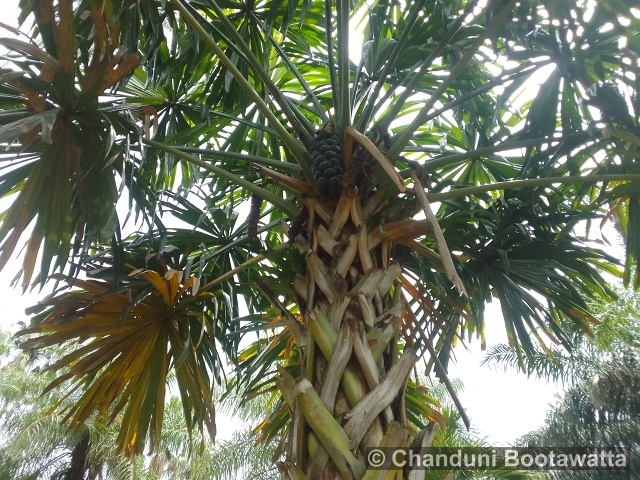
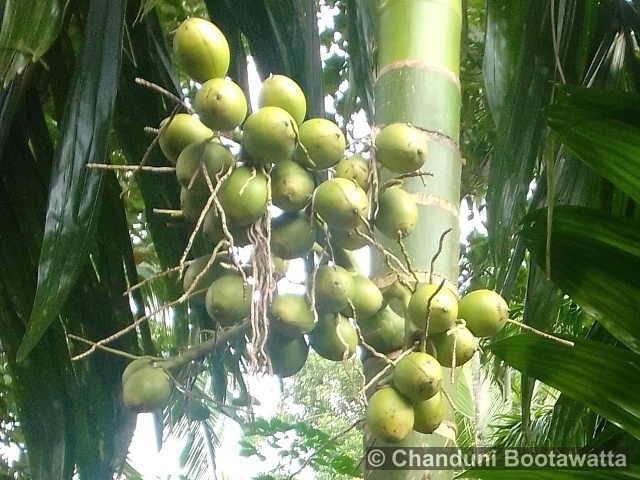
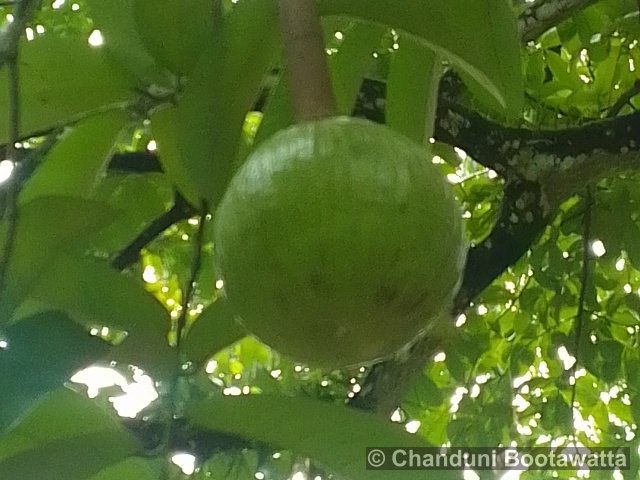
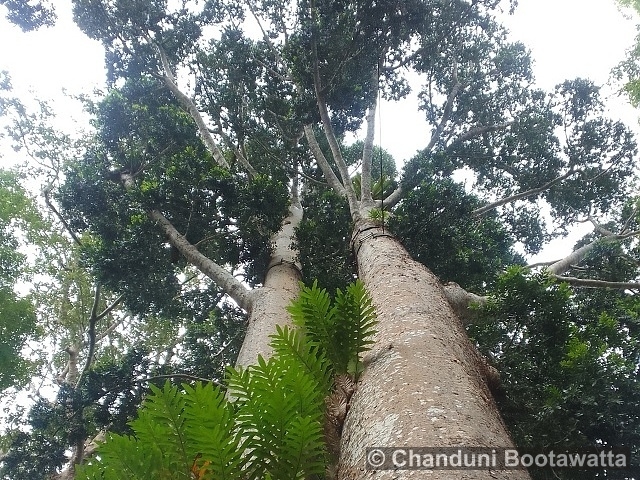
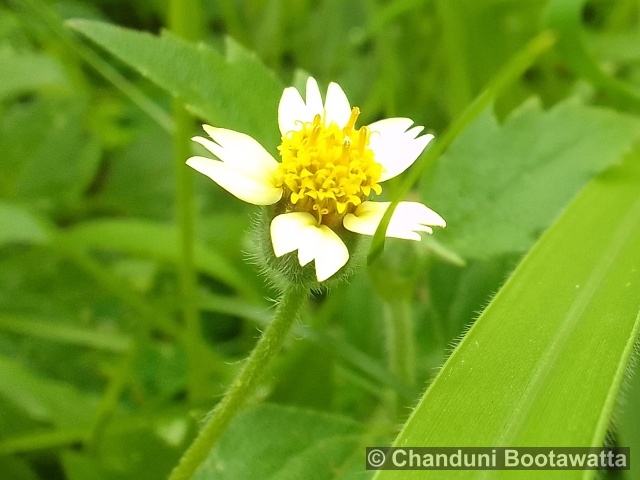
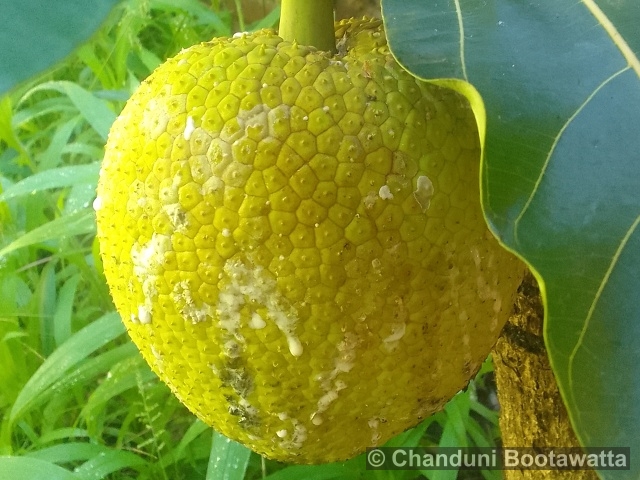
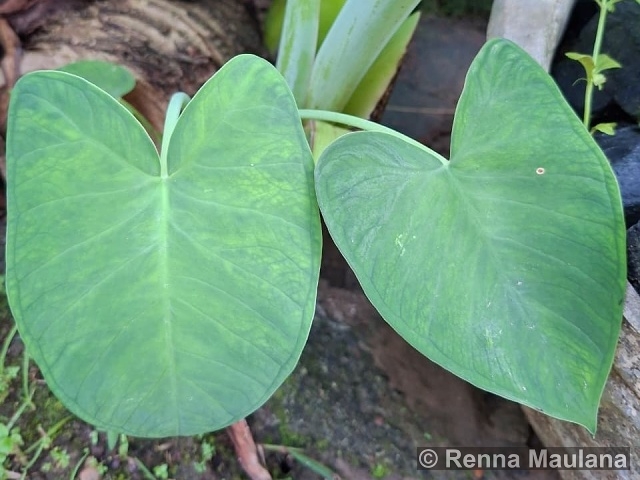
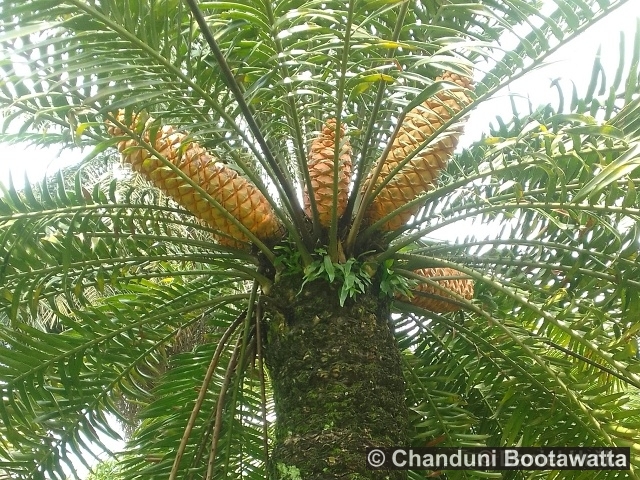
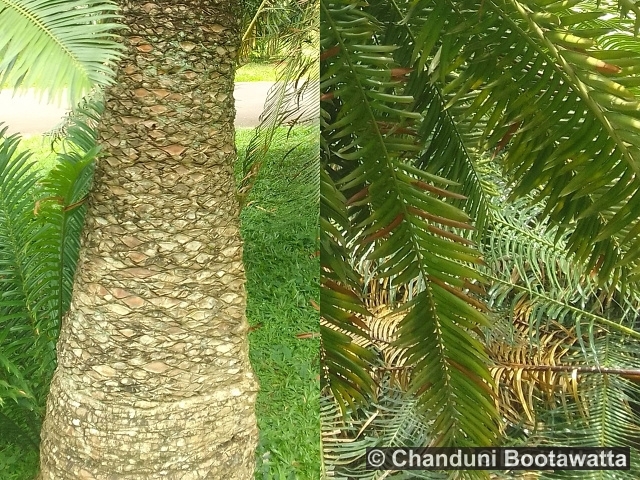
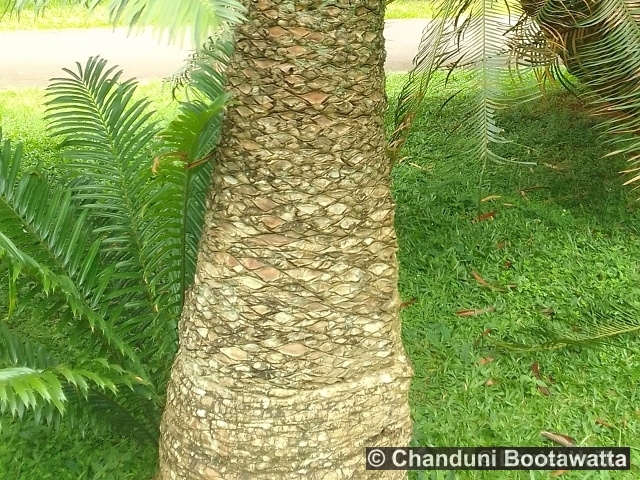
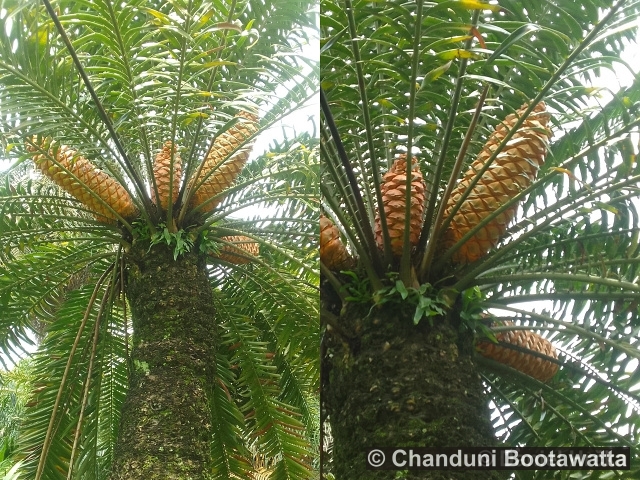
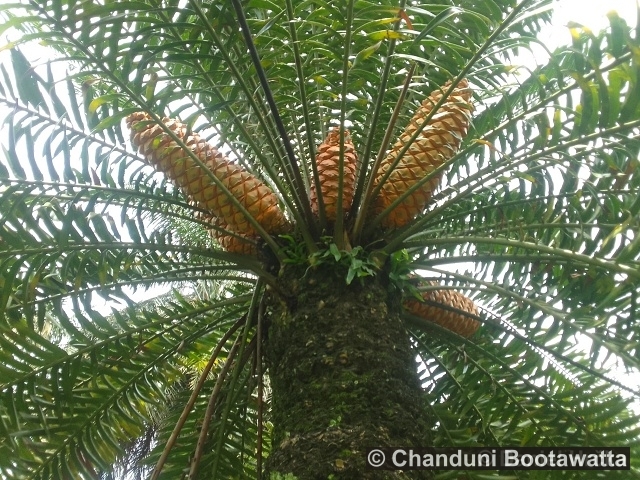
Description: Karoo cycad (Encephalartos lehmannii) has stiff, blue-green leaves that grow in a circular crown and are well adapted to dry conditions. The plant produces large fruits (cones), with male and female cones growing on separate plants, typical of cycads. Its trunk is short, thick, and woody, helping store water and survive harsh climates.
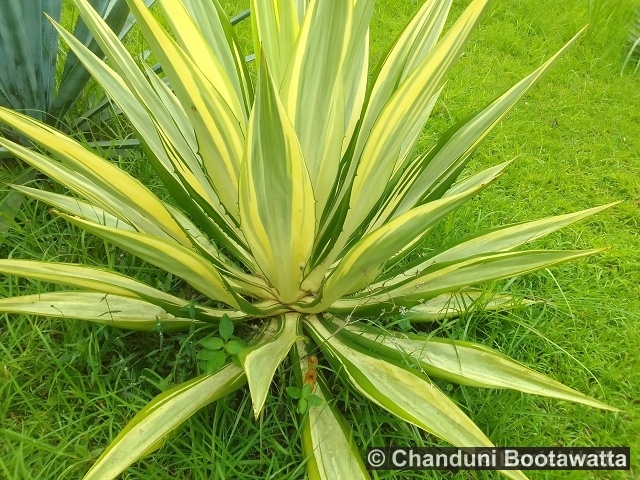
Substitutes – Sago palm: Commonly used as a substitute because it looks very similar to true cycads. It has a thick trunk and stiff, feather-like leaves. It grows faster than many cycads and is easier to maintain in gardens. – Yucca: good alternative because it is very hardy and drought-tolerant. Its long, pointed leaves give a bold, structural look like cycads. Yucca can survive in poor soil and hot climates with little care. – Agave: works as a substitute due to its thick, fleshy leaves that store water. It is well adapted to dry environments and needs minimal watering. Agave is often used in landscaping where low maintenance is important.
Ecology: Karoo cycad grows best in well-drained sandy or rocky soil, needs very little water, and requires small amounts of basic minerals like nitrogen, phosphorus, potassium, calcium, and magnesium for healthy growth
General Distribution: Karoo cycad is naturally found in the dry, rocky regions of South Africa and is also grown in Sri Lanka as an ornamental plant in gardens and landscapes.
Use: It is mainly used as an ornamental plant in gardens and landscaping due to its unique appearance, but it is protected in the wild because of over-collection.
Author of text and photos: Chanduni Bootawatta.
Photographed in Peradeniya Botanical Garden, Sri Lanka on 22 June 2025.


 Poslat emailem