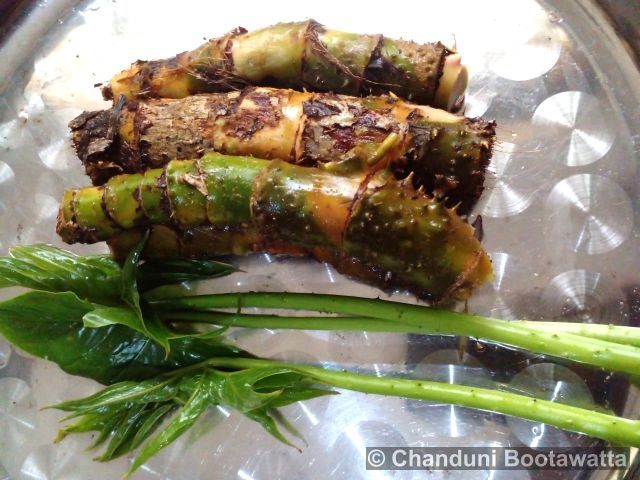
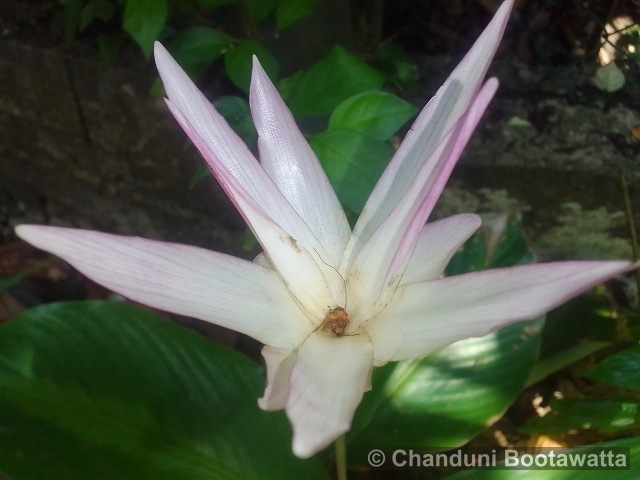
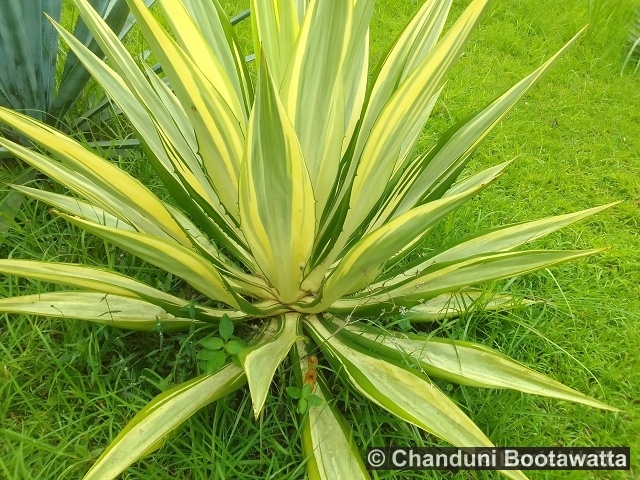
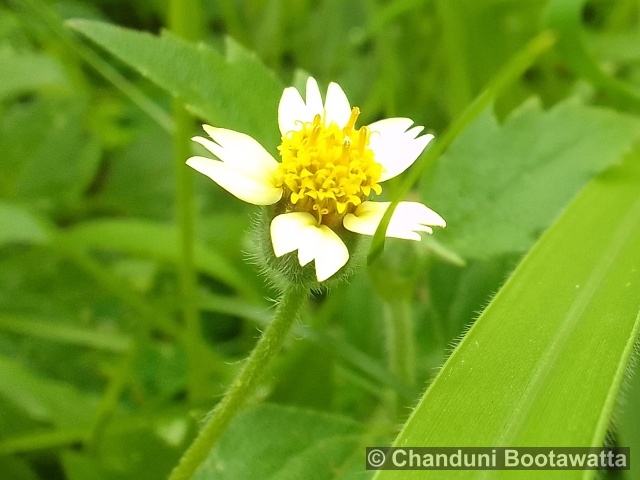
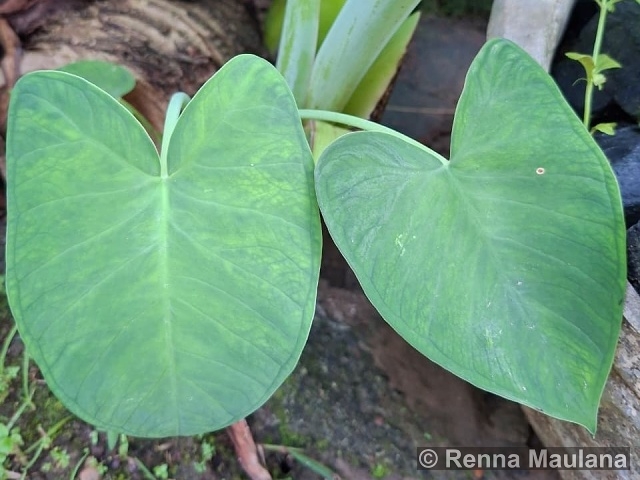
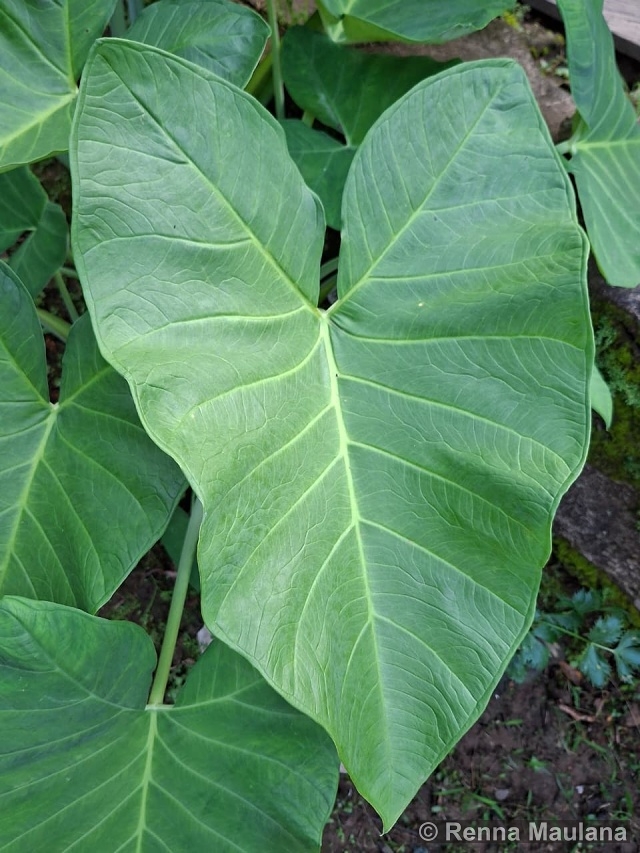
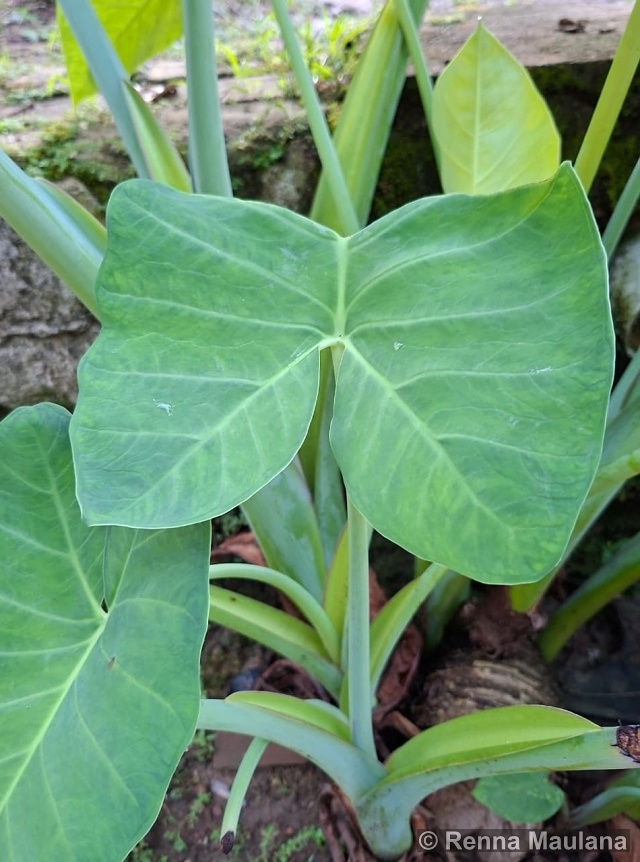
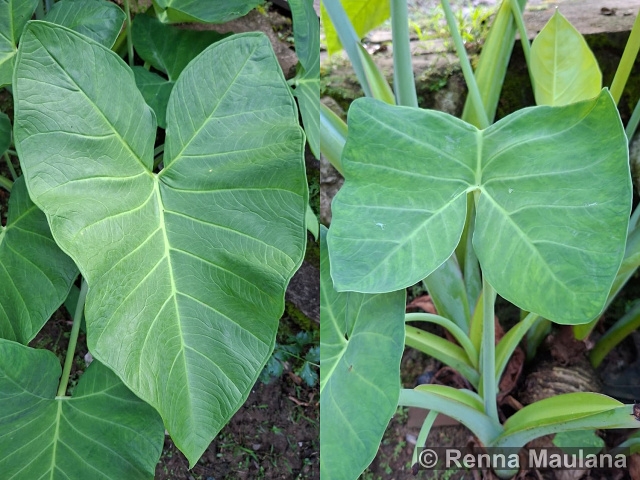
Description: Xanthosoma sagittifolium is a tropical plant belonging to the Araceae family. It is known for forming underground tubers and growing as a herb. It can grow to a relatively large size and is often known for its broad and decorative leaves. This plant has large, arrow-shaped (shoot-like) leaves with a smooth surface and clearly visible venation. It grows directly from the soil and forms a dense cluster of stems.
Related Species: Xanthosoma sagittifolium is often confused with Colocasia esculenta (taro), as both share similar leaf shapes and are commonly used as edible crops.
Ecology: This plant grows well in tropical areas with warm and humid conditions. It typically grows in habitats such as forests, wetlands, and scrublands, and can also be found in cultivated or disturbed environments.
General distribution: Xanthosoma sagittifolium, commonly known as arrowhead elephant ear, is a tropical plant native to Central and South America and is also known as „malanga“ in some areas. Around the 19th century, the plant spread to other tropical regions, including parts of Southeast Asia such as Borneo, and has been cultivated there ever since.
Uses: This plant is used as a food source in some tropical regions.
Additional information: The underground tubers of this plant are edible, but must be cooked before consumption, as the tuber contains calcium oxalate crystals, which can cause irritation if eaten raw.
Author of text and photos: Renna Maulana
Photographed in Samarinda, East Kalimantan, Indonesia on 10 April 2026.


 Poslat emailem