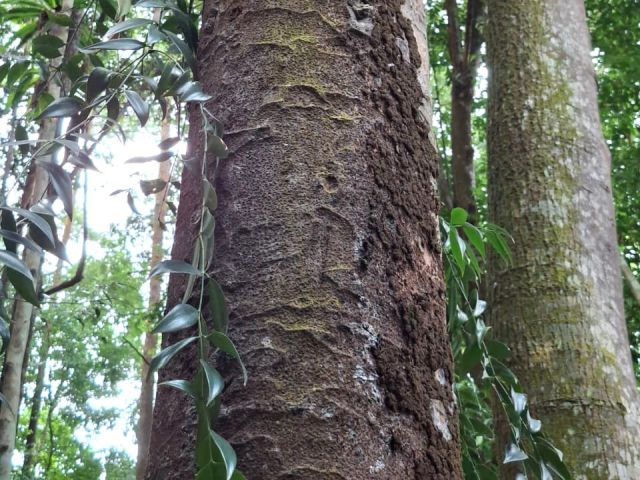
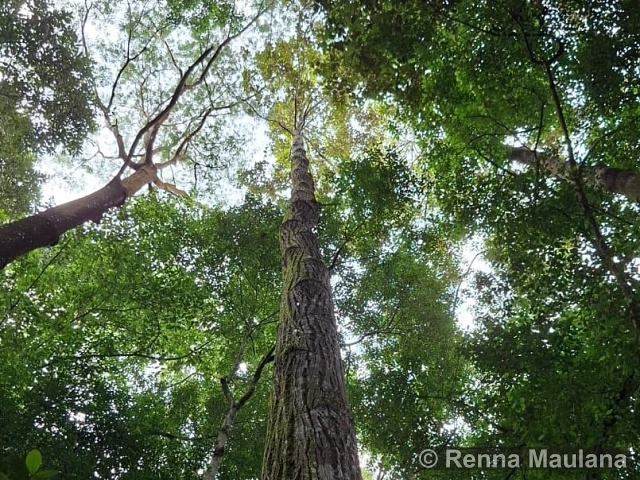
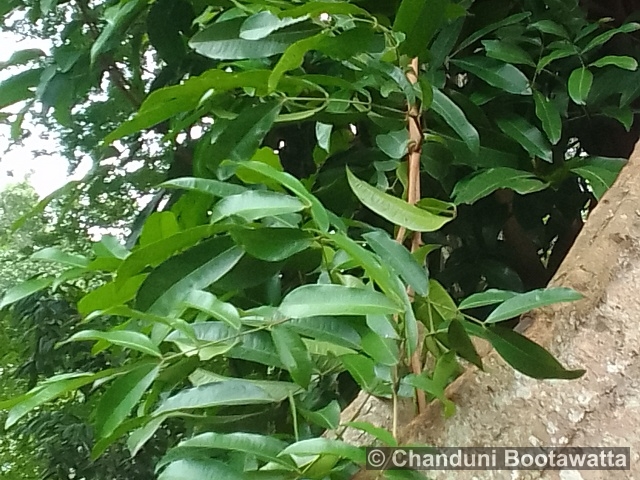
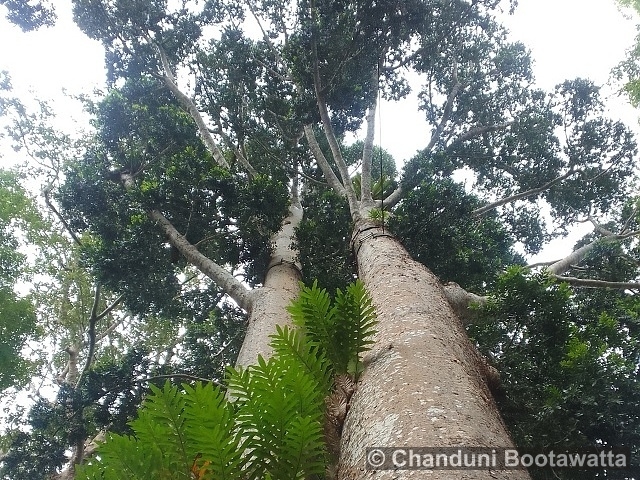
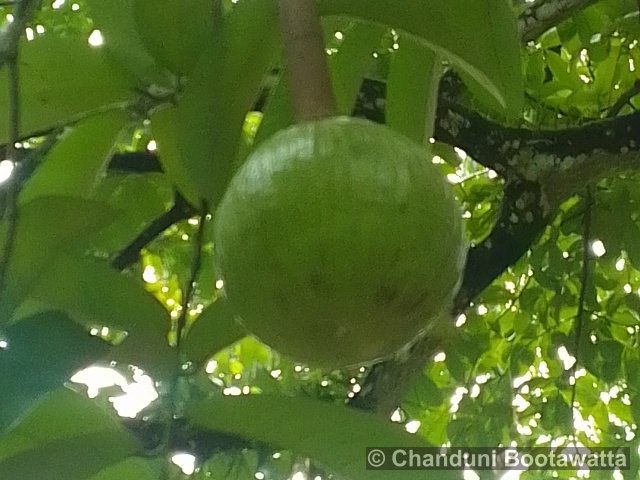
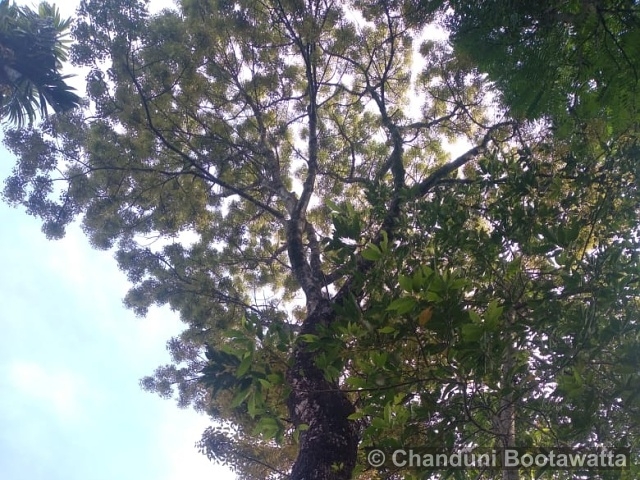
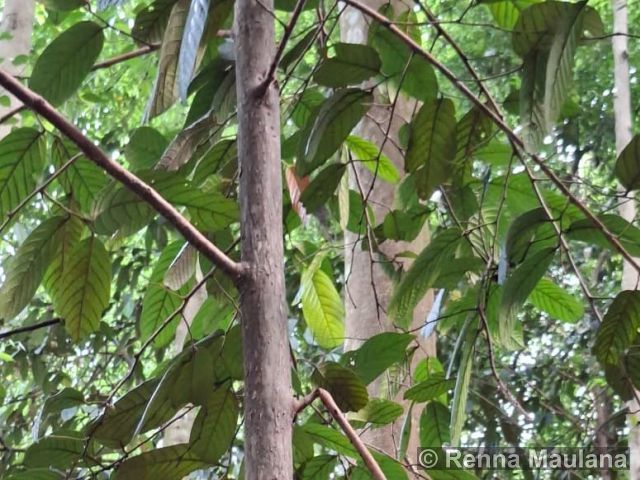
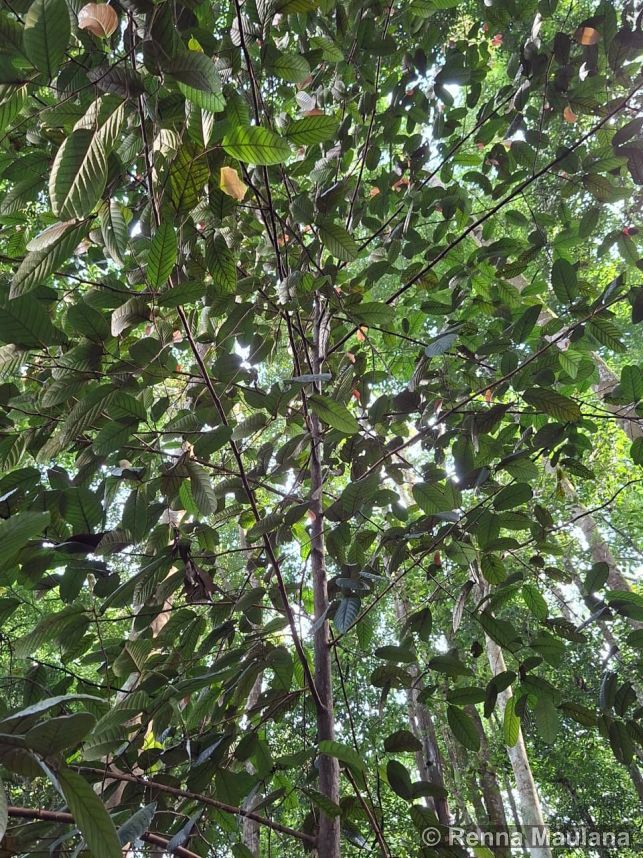
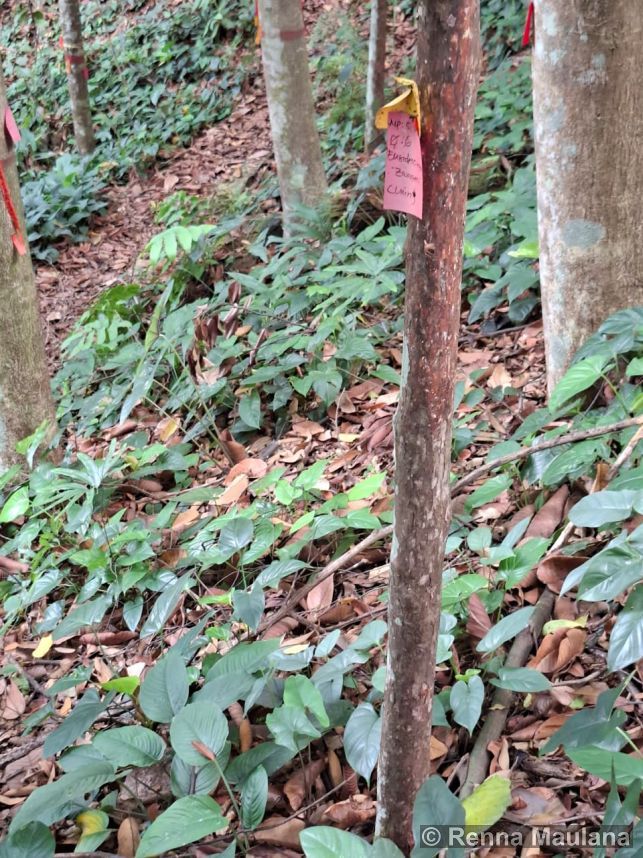
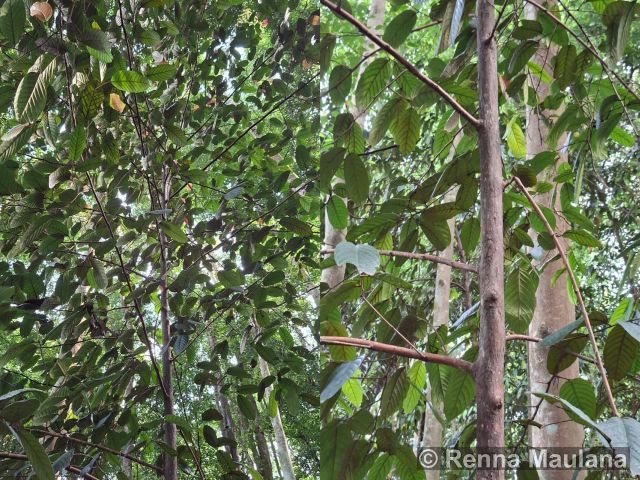
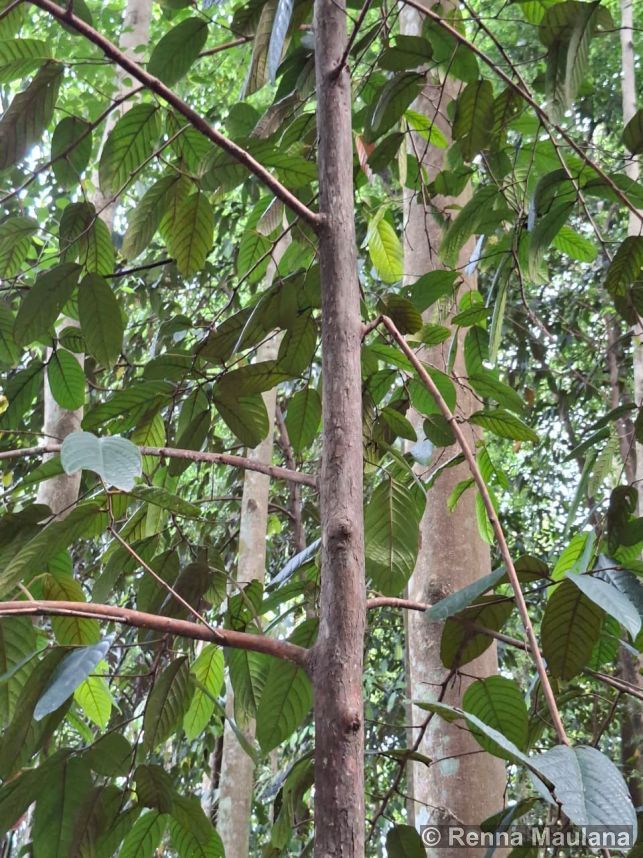
Description: Eusideroxylon zwageri is a tropical evergreen tree belonging to the Lauraceae family. It is known for its extremely hard and dense timber, which makes it one of the most durable hardwood species in the world. The tree can grow up to around 50 meters in height and develops a straight, cylindrical trunk with a very large diameter. The bark is dark brown to almost black, rough, and deeply furrowed. The leaves are simple, thick, glossy, and elliptical in shape. The species has a strong root system and may develop small buttress roots. Its growth rate is extremely slow.
Related species: Eusideroxylon zwageri is the only species within its genus Eusideroxylon, making it a monotypic genus. Its closest relatives are found within the Lauraceae family, including genera such as Cinnamomum and Persea, although these species differ significantly in morphology and ecological characteristics.
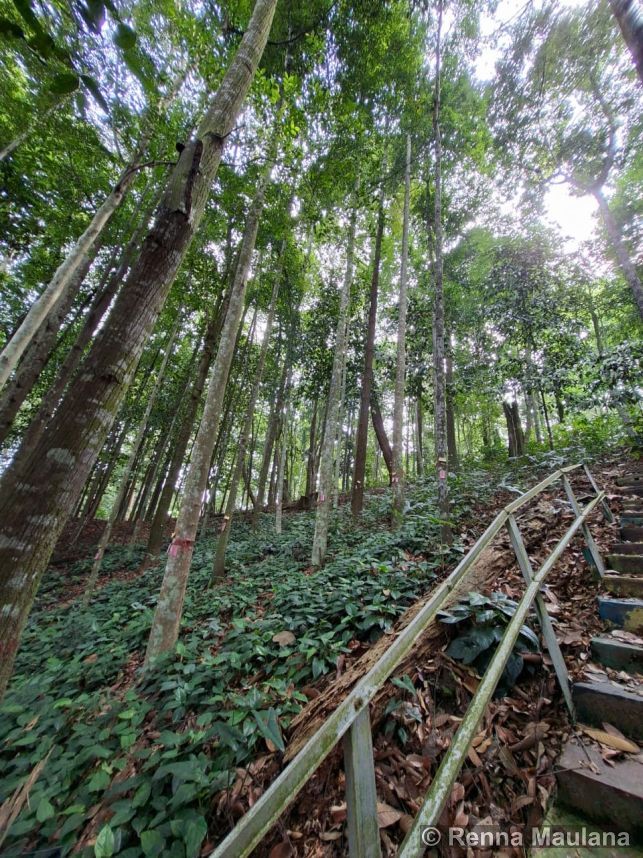
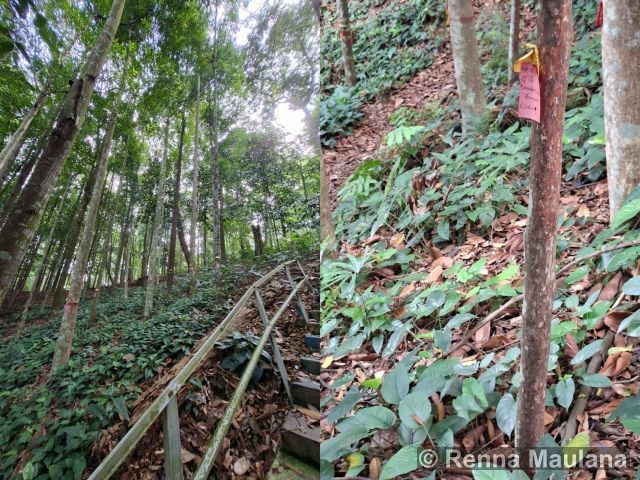
Ecology: This species grows in lowland tropical rainforests, typically on well-drained mineral soils. It is most commonly associated with primary or old-growth forests and is highly sensitive to deforestation and habitat disturbance. Its limited natural regeneration makes population recovery difficult after logging.
General distribution: Eusideroxylon zwageri is native to Borneo (Kalimantan, Sabah, and Sarawak) and parts of Sumatra. It naturally occurs in Southeast Asian tropical rainforest ecosystems and is now increasingly rare in many areas due to overexploitation and habitat loss.
Uses: The timber of Eusideroxylon zwageri is highly valued for construction purposes due to its exceptional hardness and durability. It is resistant to termites, fungi, and harsh environmental conditions, and has historically been used for house foundations, structural posts, and marine constructions such as piers and bridges.
Additional information: Due to its high commercial value and slow growth, Eusideroxylon zwageri has experienced a significant population decline in the wild. It is widely recognized as a vulnerable species in various conservation assessments.
Author of text and photos: Renna Maulana.
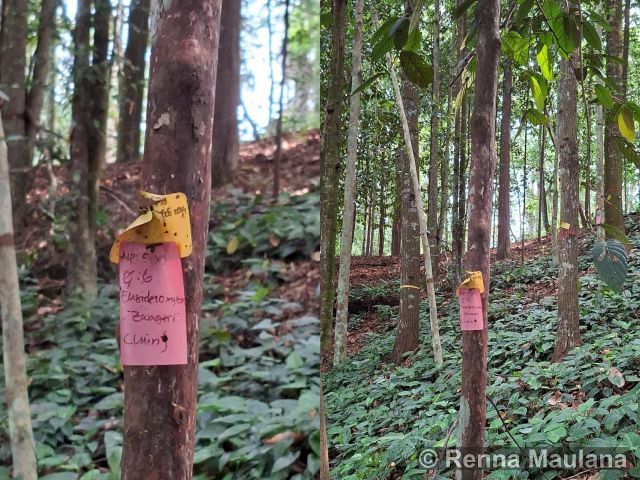
Photographed in Arboretum Sempaja, East Kalimantan, Indonesia, on 19 April 2026.


 Poslat emailem