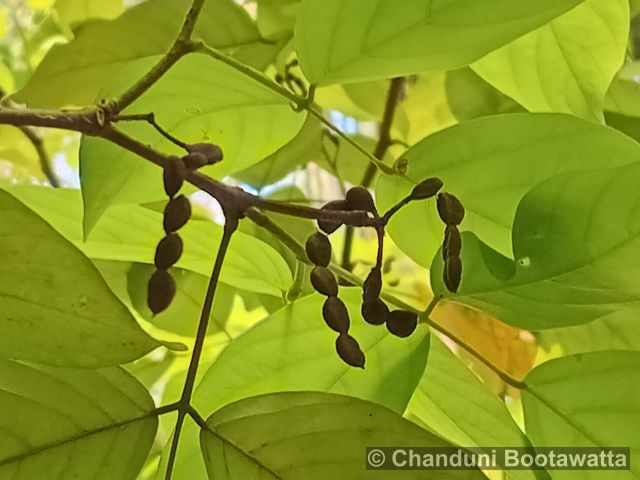
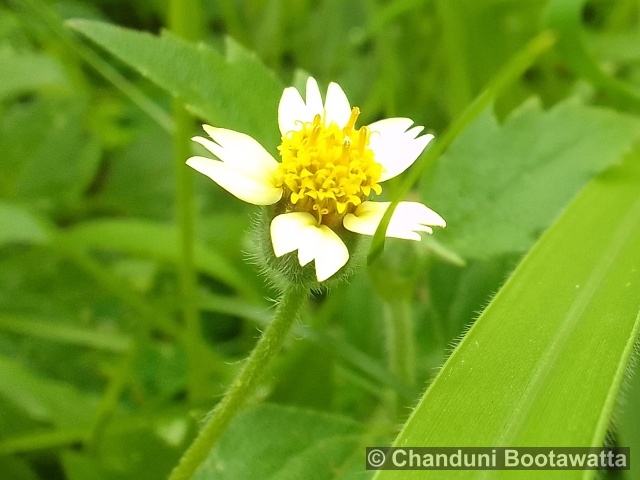
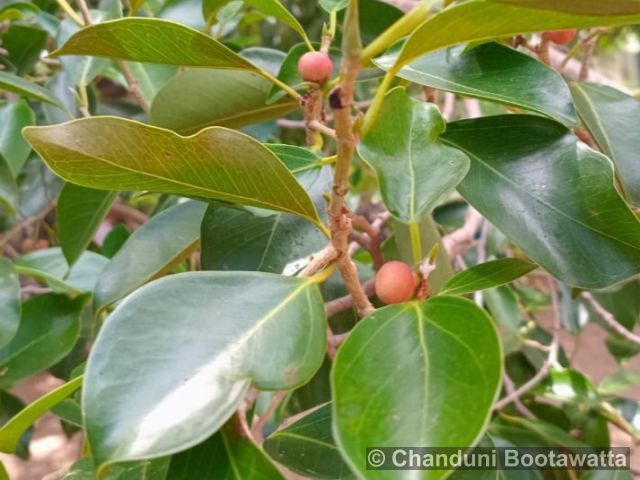
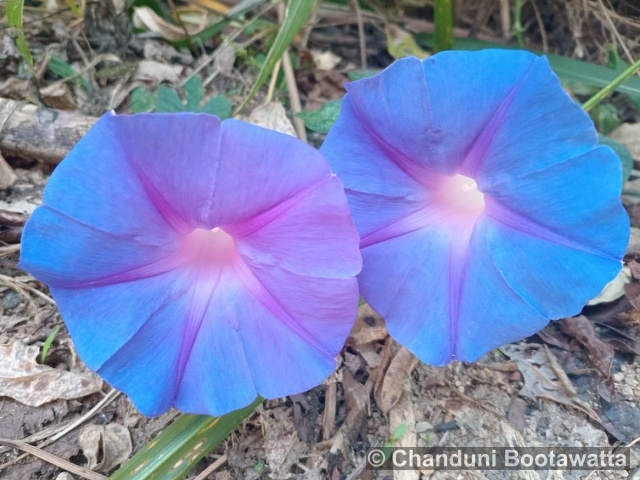
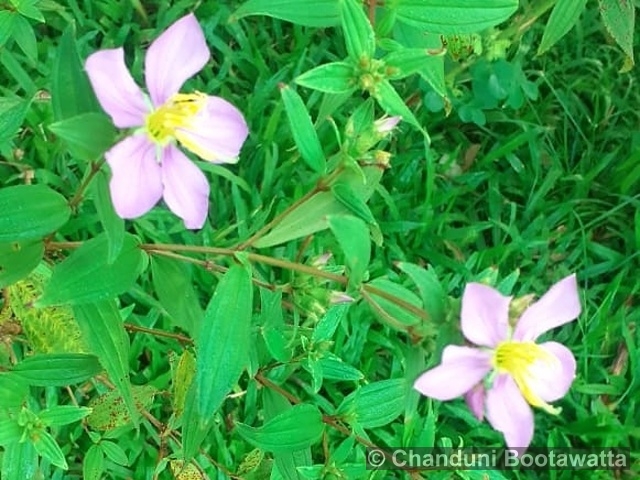
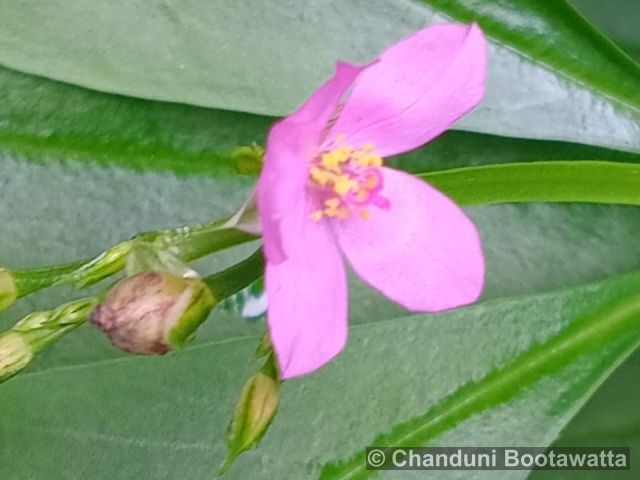
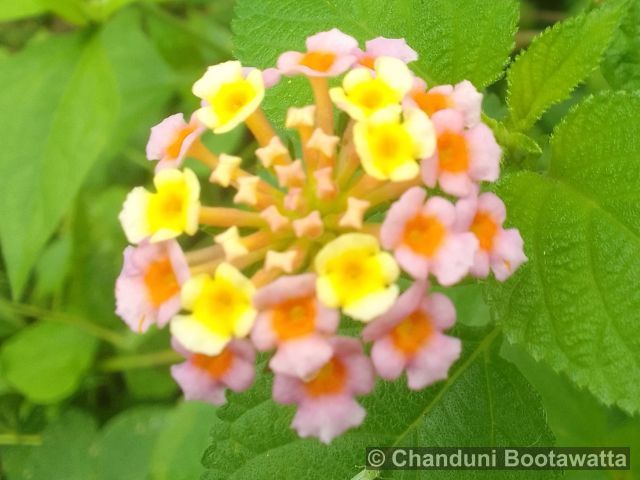
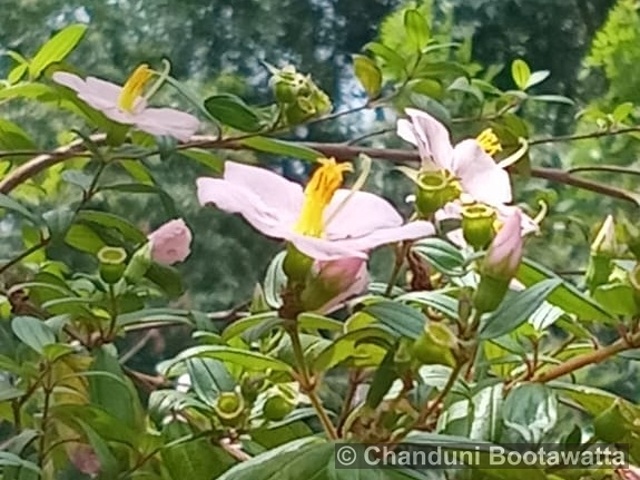
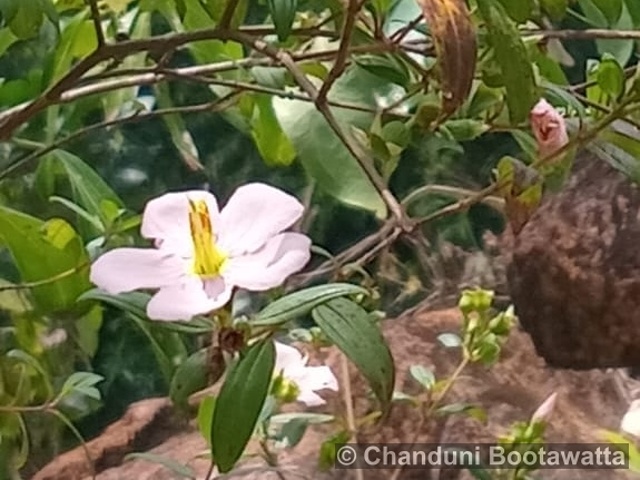
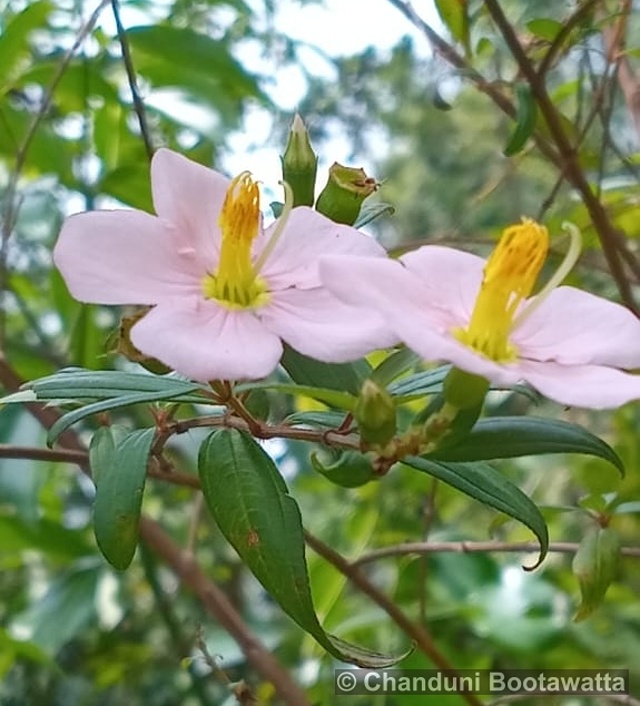
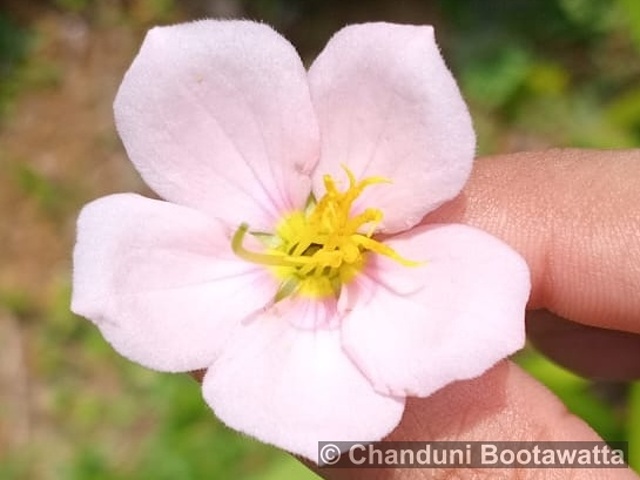
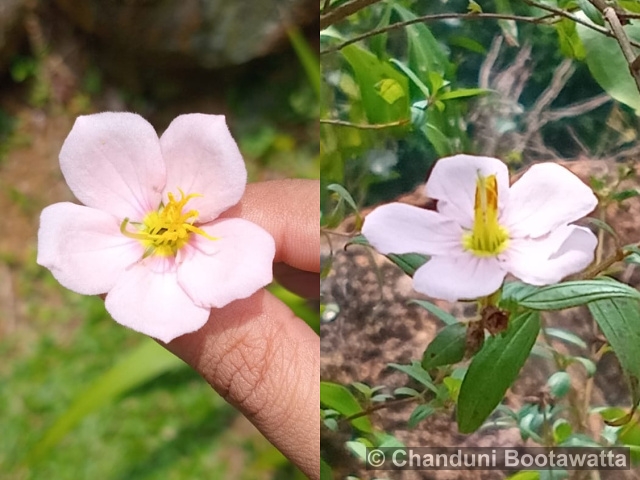
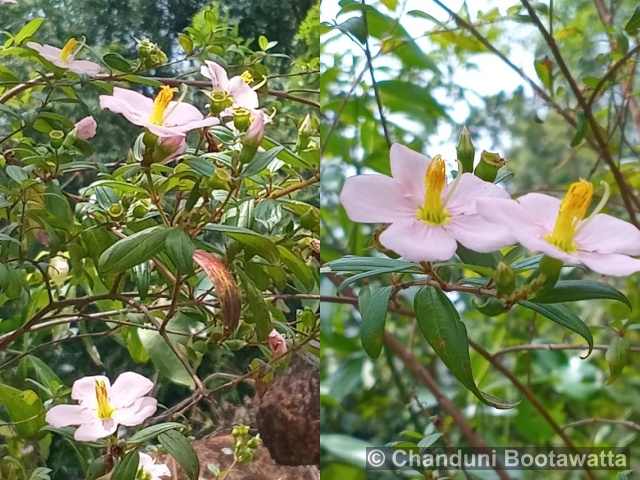
Description: It has a slender, delicate stem with simple, narrow, lance-shaped leaves arranged oppositely along the stem. The plant is best known for its attractive star-shaped flowers, which are typically bright pink with a yellow center and bloom during the summer season. The fruit is a small dry capsule containing numerous tiny seeds that aid in natural dispersal.
Substitutes – Sabatia campestris – Closely related species with pink star-shaped flowers, found in wet prairies and grasslands. – Sabatia angularis – Known as Rose gentian, has similar pink flowers and ornamental value. – Centaurium erythraea – Small pink flowering herb found in similar moist habitats.
Ecology: It prefers sandy to loamy, nutrient-poor, well-drained but consistently moist soils, often with slightly acidic to neutral conditions. The plant thrives in full sunlight and warm seasonal climates, typically tolerating temperatures in the range of 15°C to 30°C. It requires high moisture levels, especially during its growth and flowering period, but does not survive in permanently waterlogged or heavily shaded conditions. It is adapted to coastal environments and plays an important role in supporting pollinators and maintaining wetland biodiversity.
Distribution: Native to the southeastern coastal regions of the United States, especially along the Atlantic and Gulf coasts. Since Sri Lanka has a tropical climate, it can potentially survive in coastal or wetland-like habitats, but it is not widely naturalized or commercially cultivated in the country.
Use: It is mainly valued as a wild ornamental plant due to its striking flowers and also plays an ecological role in coastal wetland habitats by supporting pollinators and maintaining plant diversity.


 Poslat emailem