Syn.: Mascagnia macroptera (Moc. & Sessé ex DC.) Nied.
Family: Malpighiaceae
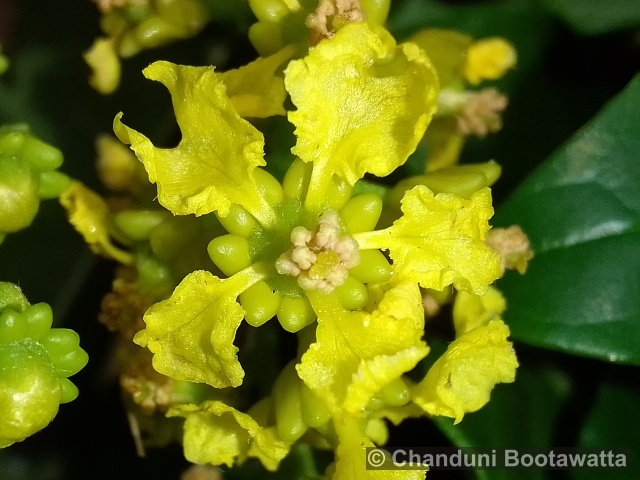
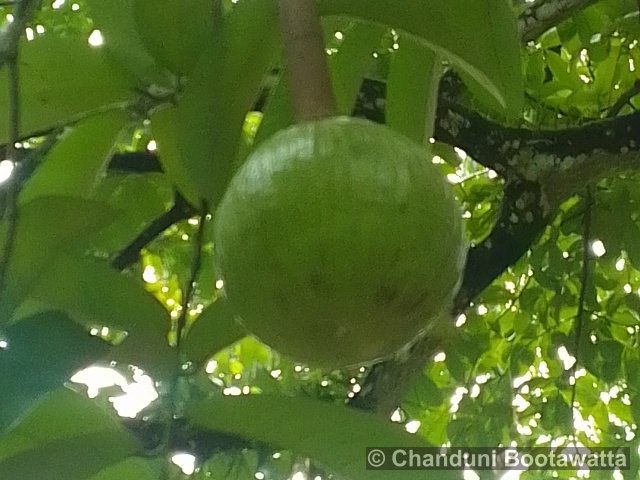
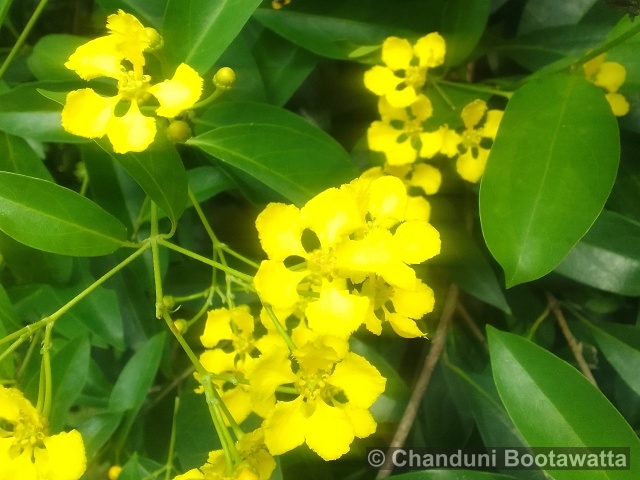
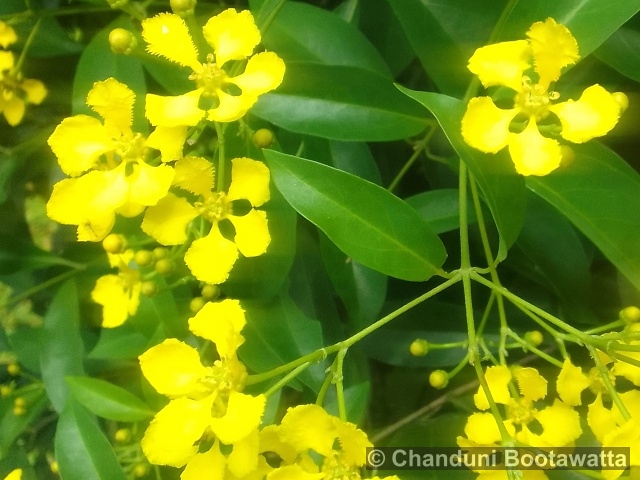
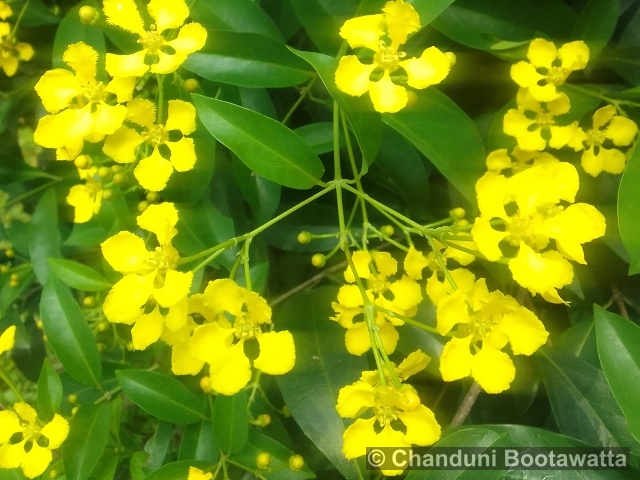
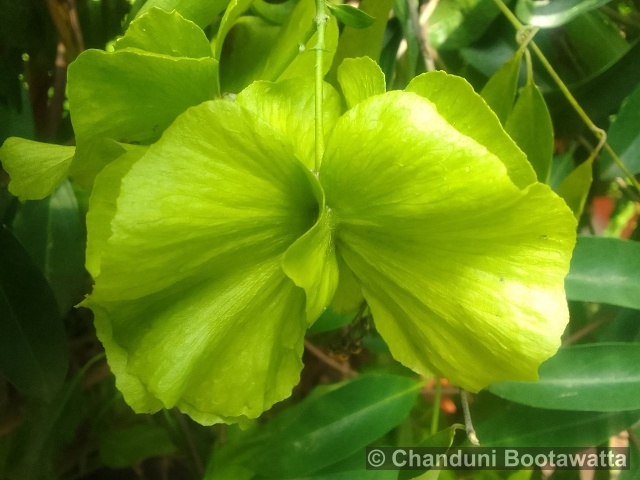
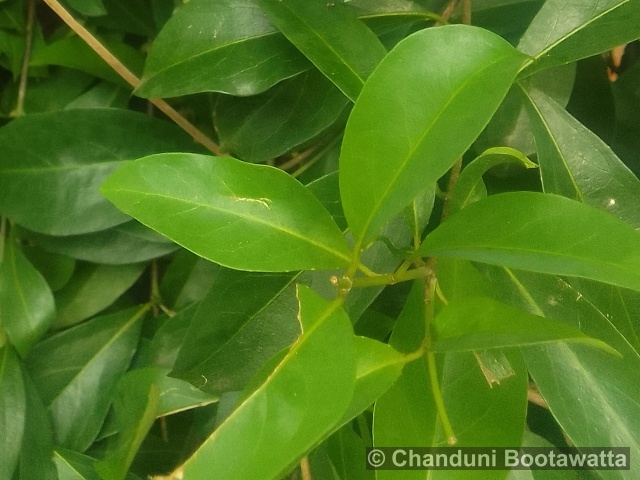
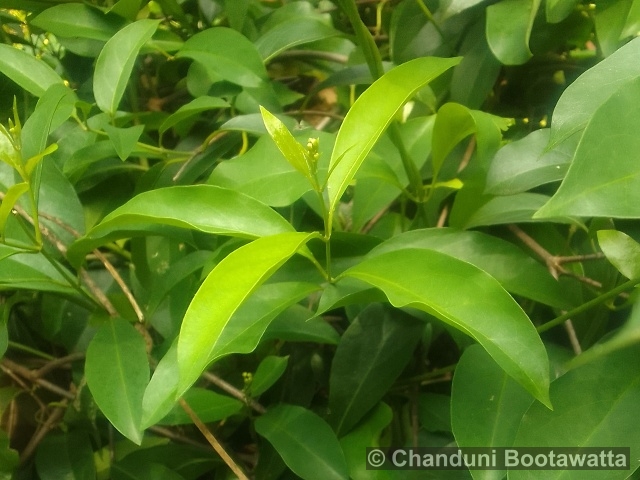
Description: The Butterfly Vine is a fast-growing perennial climbing plant valued for its ornamental beauty and ability to cover fences, trellises, and walls. It produces clusters of bright yellow flowers that attract bees and butterflies, while its green, oval-shaped leaves form dense foliage. The plant is most famous for its distinctive butterfly-shaped winged seed pods, which develop after flowering and remain attractive even when dried.
Substitutes – Yellow Orchid Vine – a closely related climbing vine with similar yellow flowers. – Cat’s Claw Vine – a vigorous climber with bright yellow trumpet-shaped flowers. – Golden Trumpet Vine – produces showy yellow flowers and is commonly used for ornamental landscaping.
Ecology: The butterfly vine grows best in warm temperatures between 20°C and 35°C and prefers full sunlight for healthy growth and flowering. It thrives in well-drained, fertile soil but can also tolerate a range of soil types, including sandy and loamy soils. The plant adapts well to moderate humidity levels.
Distribution: The butterfly vine is widely distributed in tropical and subtropical regions around the world, especially in countries with warm climates. It is commonly found in Sri Lanka, as well as India, Thailand, Malaysia, Indonesia, the Philippines, and other parts of Southeast Asia, and it is also grown in Australia, parts of Africa, and the southern United States as an ornamental garden plant. In Sri Lanka, it is often cultivated in home gardens and roadside landscapes due to its attractive yellow flowers and ability to grow easily in local warm conditions.


 Poslat emailem