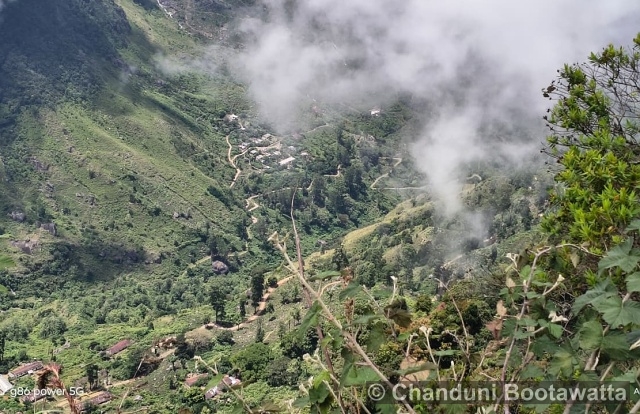
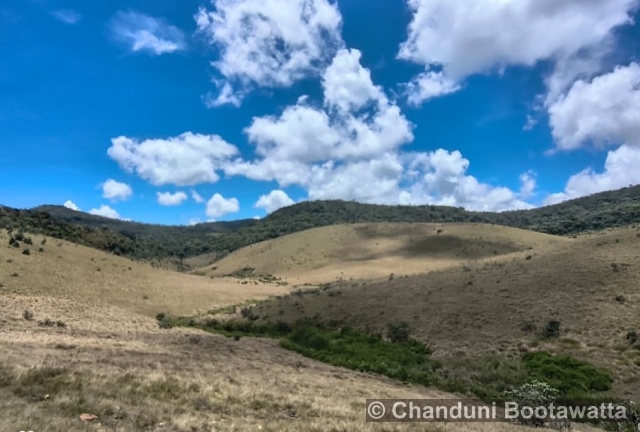
Horton Plains National Park is a protected montane grassland and cloud forest ecosystem located in the central highlands of Sri Lanka. It is situated in the Nuwara Eliya District at an elevation of around 1,200–2,300 m above sea level. The area is famous for its unique biodiversity, cool climate, scenic landscapes, waterfalls, and endemic species.
Horton Plains is an important conservation area because it protects many rare plants and animals found only in Sri Lanka’s highlands.
Physical Features and Climate
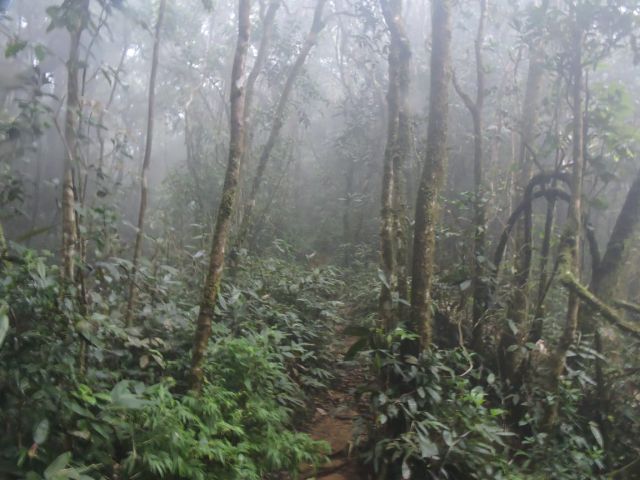
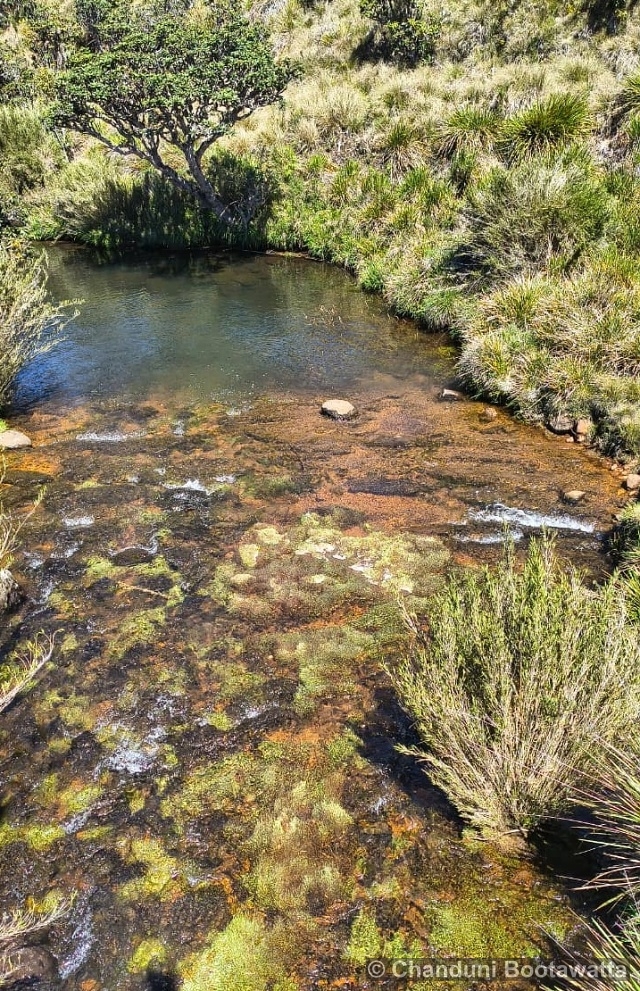
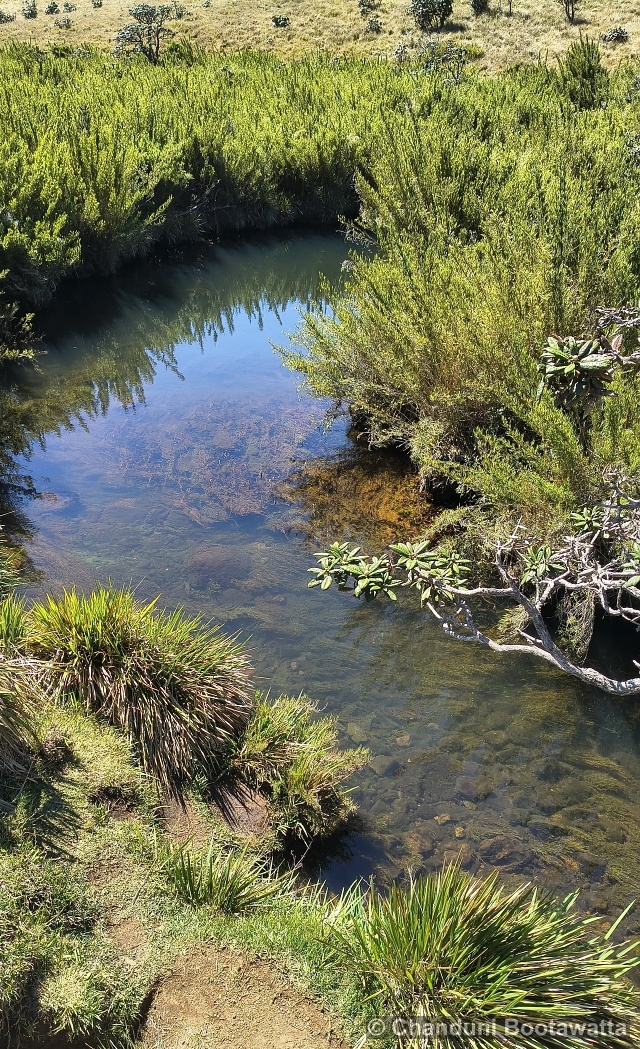
Horton Plains consists of rolling grasslands, cloud forests, streams, and rocky landscapes. The region experiences a cool and wet climate with frequent mist, heavy rainfall, and low temperatures. These conditions support a unique montane ecosystem with specialized plants and animals.
The area is also an important watershed, with many streams originating from the plains and contributing to major rivers in Sri Lanka.
Flora of Horton Plains
The vegetation of Horton Plains includes montane forests, grasslands, shrubs, mosses, ferns, and flowering plants. Many plant species found here are adapted to the cool and humid environment.
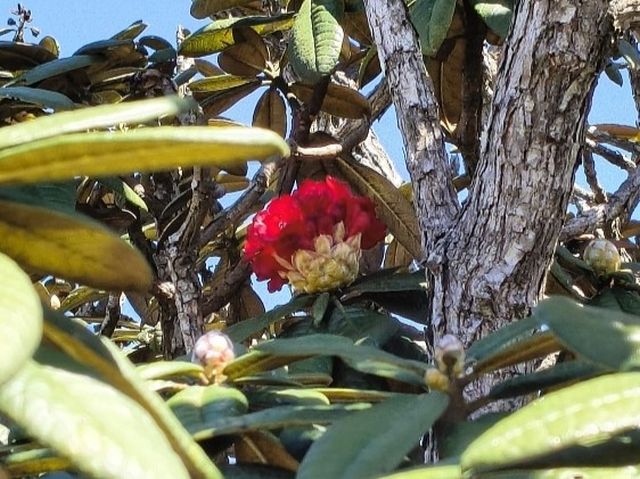
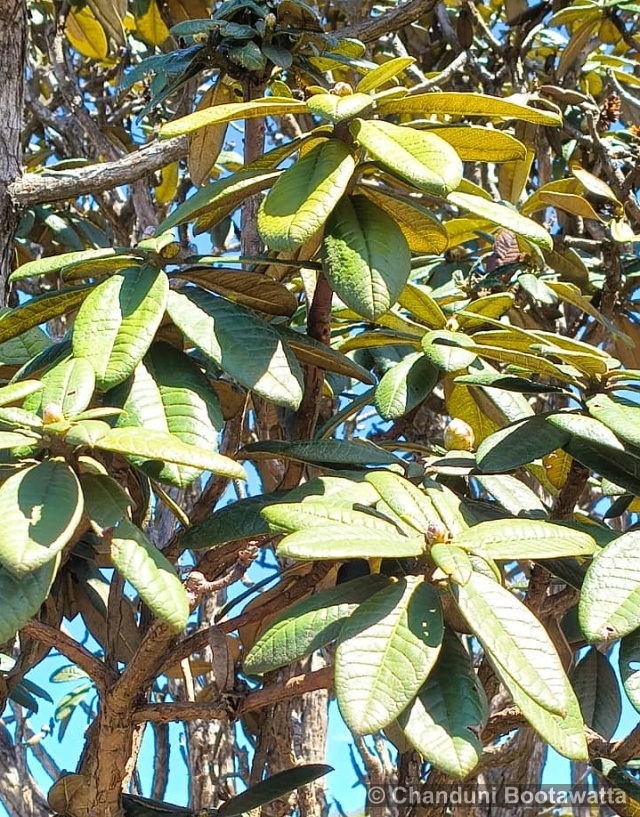
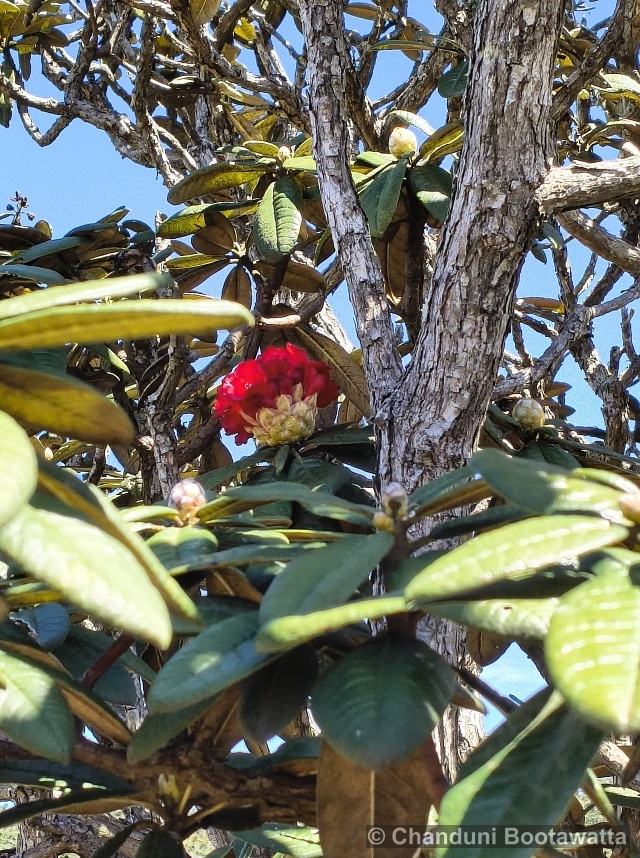
Maha Rathmal (Rhododendron arboreum)
Family: Ericaceae
Maha Rathmal is one of the attractive flowering plants found in high-altitude regions. It is an evergreen shrub or small tree with thick green leaves and beautiful clusters of red to pink flowers.
This plant is well adapted to the montane climate of Horton Plains and contributes to the scenic beauty and biodiversity of the area. Its flowers also provide resources for insects and other small organisms.
Fauna of Horton Plains
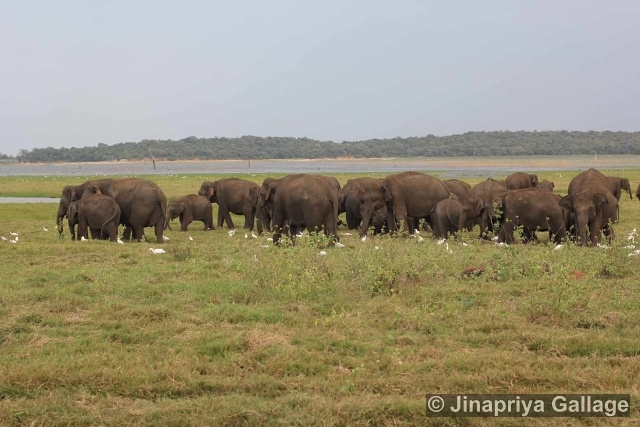
Horton Plains provides habitats for many mammals, birds, reptiles, amphibians, and insects. The isolated highland environment supports several endemic species.
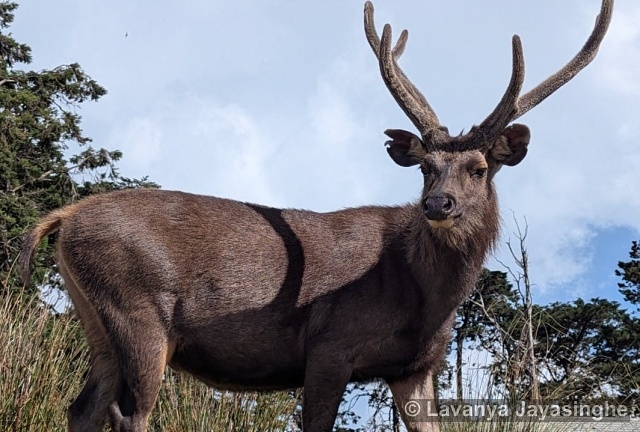
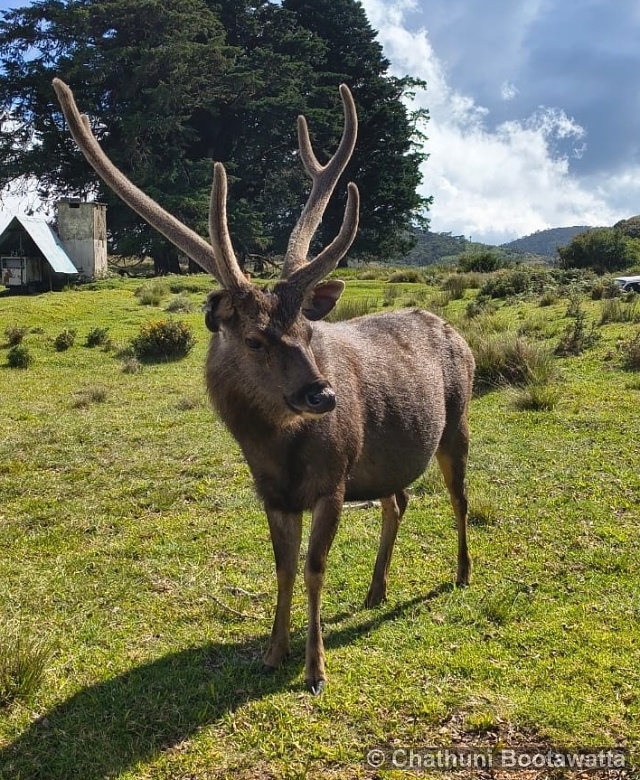
Sri Lankan Sambar Deer (Rusa unicolor unicolor)
Family: Cervidae
The Sri Lankan sambar deer is one of the largest herbivorous mammals found in Horton Plains. It has a dark brown coat, strong body, and males possess large antlers.
During field observations, the Sri Lankan sambar deer was recorded in the Horton Plains ecosystem. These deer mainly feed on grasses, leaves, and young shoots. They play an important role in maintaining vegetation balance and nutrient cycling within the ecosystem.
Other wildlife found in Horton Plains includes:
Sri Lankan purple-faced langur (Semnopithecus vetulus)
Sri Lankan wild boar (Sus scrofa cristatus)
Sri Lankan leopard (Panthera pardus kotiya)
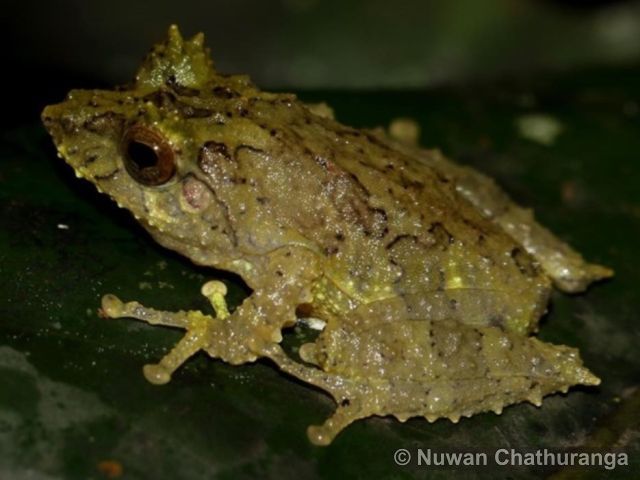
Many endemic birds and amphibians
Baker’s Falls
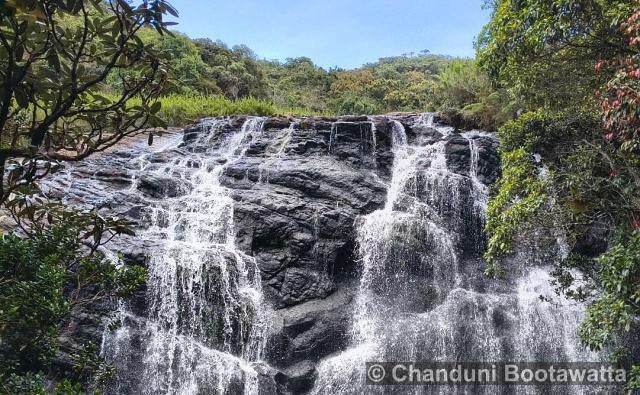
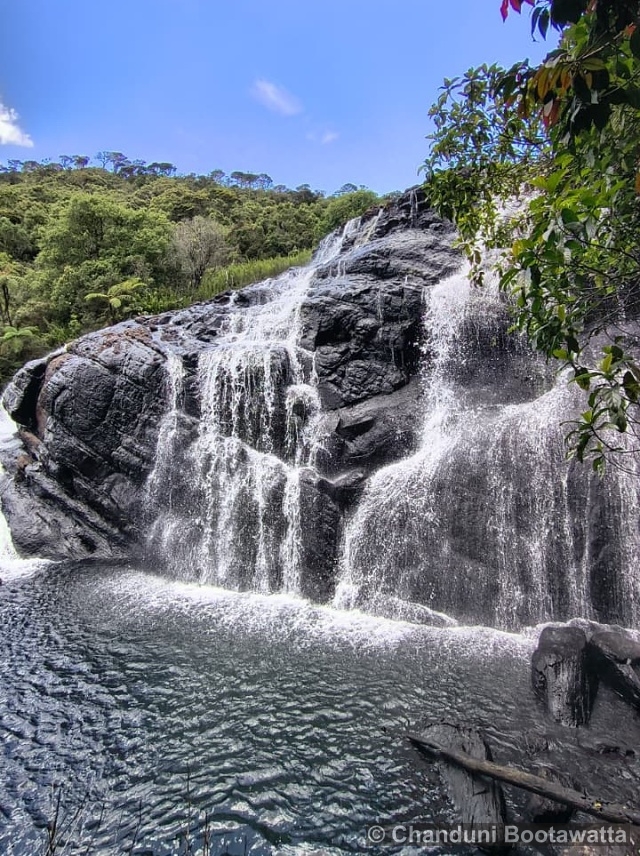
Baker’s Falls is one of the most famous waterfalls located within Horton Plains National Park. It is formed by a stream flowing through the mountainous terrain and drops approximately 20 metres over rocky cliffs.
The waterfall is surrounded by dense montane vegetation, moss-covered rocks, and misty forest conditions. It creates a unique microhabitat for many plants, insects, and small animals.
Baker’s Falls is an important natural attraction that contributes to the beauty and tourism value of Horton Plains. Visitors can reach the waterfall through hiking trails while experiencing the rich biodiversity of the surrounding ecosystem.
Conservation Importance
Horton Plains is a highly valuable ecological area due to its unique biodiversity and high number of endemic species. Conservation efforts are necessary to protect the habitat from threats such as climate change, invasive species, pollution, and human disturbance.
Protecting species such as Maha Rathmal (Rhododendron arboreum) and the Sri Lankan sambar deer (Rusa unicolor unicolor), along with natural features like Baker’s Falls, helps preserve the ecological heritage of Sri Lanka’s central highlands.
Conclusion
Horton Plains National Park represents one of Sri Lanka’s most important mountain ecosystems. Its beautiful landscapes, unique plants, wildlife, and waterfalls demonstrate the ecological richness of the central highlands. The presence of Maha Rathmal, Sri Lankan sambar deer, and Baker’s Falls highlights the importance of conserving this valuable natural environment for future generations.
Author of text: Chanduni Bootawatta.
Authors of photos: Chanduni Bootawatta, Chathuni Bootawatta, Lavanya Jayasinghe.
Photographed on Horton Plains National Park, Sri Lanka on 17 April 2026.


 Poslat emailem